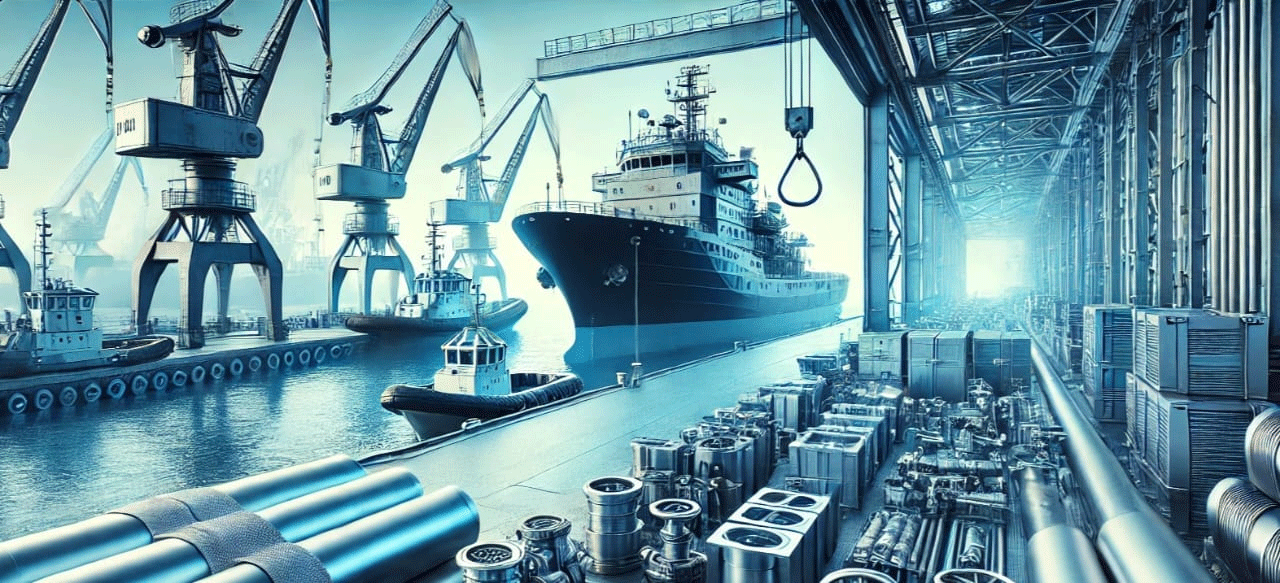
The shipbuilding industry plays a vital role in global trade and transportation, but it comes with its own set of challenges. These challenges can affect project timelines, costs, and overall efficiency. However, with the right strategies, shipyards can navigate these difficulties successfully. Below are some common challenges in shipbuilding and practical ways to overcome them.
1. Supply Chain Disruptions
Challenge: One of the biggest issues facing shipyards today is supply chain disruption. Events such as natural disasters, geopolitical conflicts, and pandemics can lead to delays in obtaining essential materials and components, impacting project schedules and costs.
Solution: To mitigate supply chain risks, shipyards should diversify their supplier base and build strong relationships with reliable partners across different regions. Implementing a robust supply chain management system that provides real-time visibility into stock levels and delivery timelines can also help shipyards anticipate potential disruptions and adapt accordingly.
2. Rising Material Costs
Challenge: Fluctuations in the price of raw materials, such as steel and specialized alloys, can significantly affect shipbuilding budgets. This challenge is often influenced by global economic trends, trade tariffs, and shifts in supply and demand.
Solution: To manage rising material costs, shipyards can adopt a strategic approach to procurement. This includes long-term contracts with suppliers to lock in prices and taking advantage of bulk purchasing. Additionally, monitoring market trends and forecasts helps procurement teams time their purchases more effectively.
3. Skilled Labor Shortages
Challenge: Shipbuilding requires a high level of technical expertise, from welding and metalworking to engineering and project management. A shortage of skilled labor can slow down production and compromise quality.
Solution: Shipyards should invest in training and apprenticeship programs to develop in-house talent and attract new workers to the industry. Partnering with technical schools and maritime academies can create a steady pipeline of skilled labor. Additionally, cross-training employees in multiple skills can improve workforce flexibility and productivity.
4. Technology Integration
Challenge: The shipbuilding industry has seen significant technological advancements, including 3D modeling, automation, and digital twin technologies. However, integrating these tools into existing processes can be challenging, especially for traditional shipyards.
Solution: Successful technology integration requires a phased approach. Start with pilot programs that test new technologies on smaller projects before scaling up. Ensuring that staff are trained to use new tools and systems is also essential. Partnering with technology providers for on-site training and support can ease the transition and maximize the benefits of new technologies.
5. Regulatory Compliance
Challenge: Compliance with international regulations and standards, such as those set by the International Maritime Organization (IMO), is mandatory for shipbuilders. These regulations can change frequently, requiring shipyards to stay up-to-date and make necessary adjustments to their processes.
Solution: Appointing a dedicated compliance team or consultant ensures that your shipyard remains informed about the latest regulations. Regular audits and updating documentation can help maintain adherence to standards. Implementing compliance-focused training sessions for employees can also keep the workforce aware of any changes that might impact their work.
6. Project Management and Scheduling
Challenge: Complex shipbuilding projects often face delays due to unforeseen technical issues or coordination problems. Poor project management can lead to missed deadlines, increased costs, and unsatisfied clients.
Solution: Effective project management tools and methodologies such as Agile or Lean can streamline processes and improve coordination among teams. Using project management software that tracks progress, resources, and timelines helps maintain control over the project. Regular communication and clear task delegation ensure that all teams stay on the same page and work toward shared goals.
________________________________________
Conclusion
The shipbuilding industry faces numerous challenges, from supply chain disruptions to integrating new technologies and maintaining compliance. However, by taking proactive measures such as diversifying suppliers, investing in training, and adopting advanced project management tools, shipyards can overcome these challenges and thrive. Embracing innovation and strategic planning positions shipyards to deliver high-quality vessels on time and within budget, ensuring long-term success in a competitive industry.